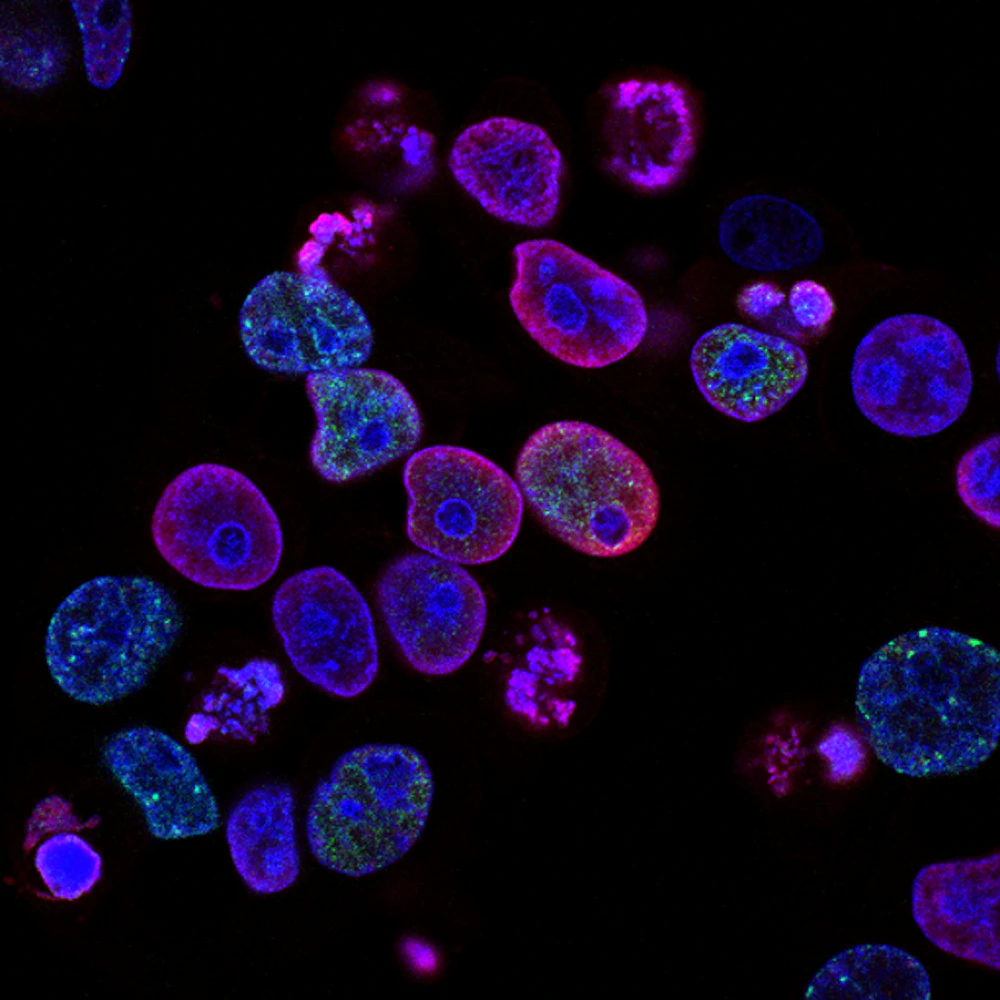



Adeno-associated virus (AAV) manufacturing is a critical bottleneck in gene therapy. High-titer and high-purity production requires rigorous optimization of the upstream transfection process.
In this study, we compare the two most widely used transfection reagents: Polyethylenimine (PEI) and Calcium Phosphate (CaPO4).

1. Introduction to Transfection Reagents
Efficient delivery of the triple-plasmid system into HEK293 cells is the first step in AAV production. The choice of reagent impacts not only the titer but also the percentage of full capsids.
2. Comparison of Methods
We performed parallel transfections in 10-layer CellStacks. The results are summarized below:
| Feature | PEI Max | Calcium Phosphate |
|---|---|---|
| Cost | Moderate | Very Low |
| Reproducibility | High | Variable (pH sensitive) |
| Cytotoxicity | Low | Moderate to High |
| Average Titer (vg/mL) | 2.5 x 10^12 | 1.8 x 10^12 |
3. Step-by-Step Protocol (PEI)
To achieve the best results with PEI, follow this optimized protocol:
3.1 Cell Seeding
Seed HEK293T cells 24 hours prior to transfection to achieve 70-80% confluency. Over-confluent cells will significantly reduce transfection efficiency.
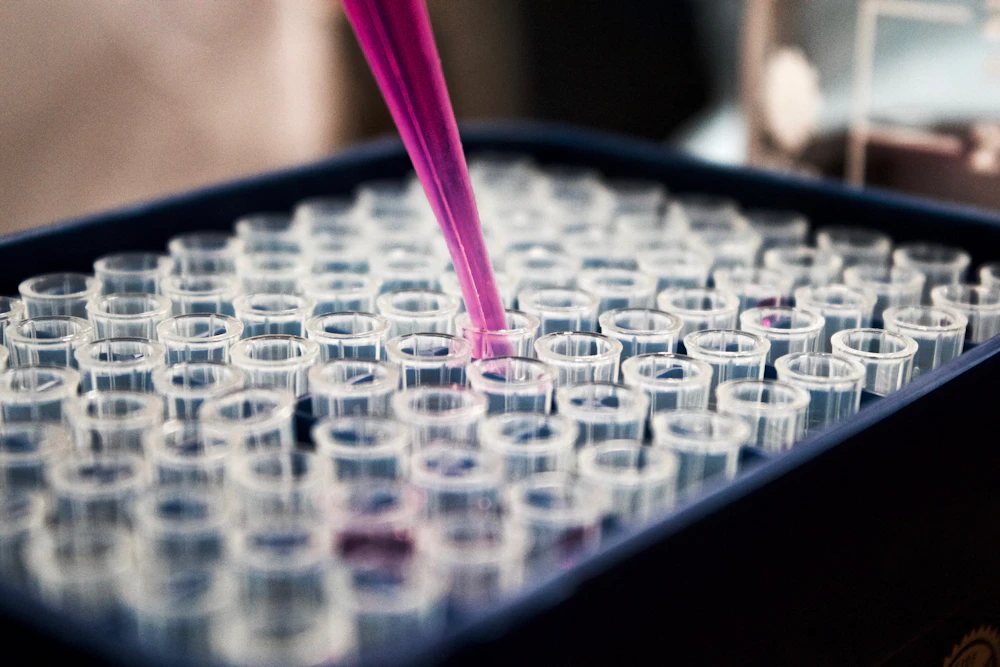
3.2 DNA:PEI Complex Formation
- Mix plasmids (pAAV, pHelper, pRepCap) in a 1:1:1 molar ratio.
- Add PEI Max at a DNA:PEI mass ratio of 1:3.
- Incubate for exactly 15 minutes at room temperature.
4. Downstream Purification
After harvesting, lysates were clarified and purified using Iodixanol gradient ultracentrifugation. The 40% and 60% phases were collected.
5. Conclusion
While Calcium Phosphate is cheaper, PEI offers superior reproducibility and lower cytotoxicity, making it the preferred choice for large-scale GMP production.