



Adeno-associated virus (AAV) has emerged as the leading platform for in vivo gene delivery. However, achieving high titers (>1E13 vg/mL) while maintaining high capsid fullness remains a significant challenge for many laboratories.
In this guide, we will break down the critical parameters affecting AAV yield and quality, supported by our internal R&D data.
1. Upstream Processing: Transfection Optimization
The efficiency of triple-plasmid transfection into HEK293T cells is the foundation of high-yield production. Key factors include plasmid ratio, cell confluency, and the choice of transfection reagent.
Pro Tip: Never allow HEK293T cells to reach 100% confluency before transfection. Over-confluent cells exhibit reduced uptake efficiency due to contact inhibition. We recommend transfecting at 70-80% confluency.
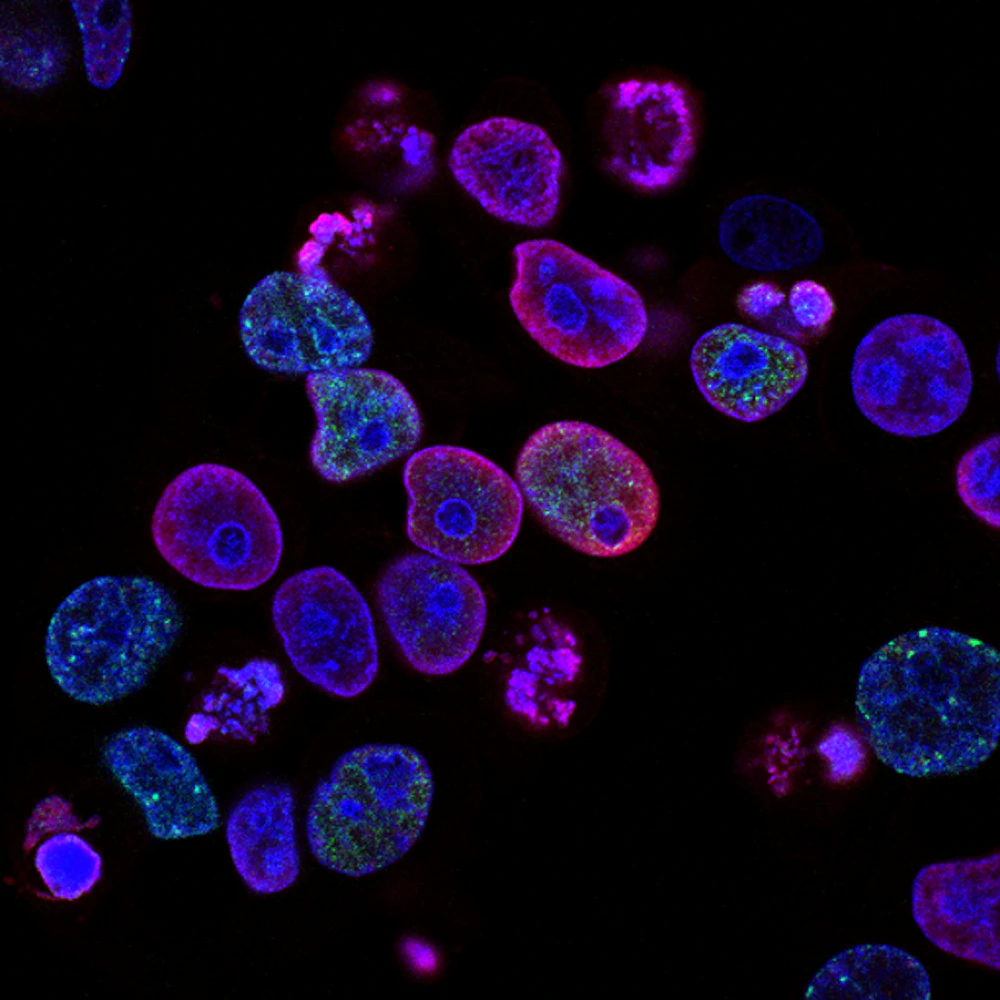
1.1 Comparison of Transfection Reagents
We compared the cost-effectiveness and performance of PEI vs. Lipofectamine in a scalable setting.
| Reagent | Cost ($/L) | Avg. Titer (vg/cell) | Cytotoxicity | Scalability |
|---|---|---|---|---|
| PEI Max | Low | 1.5 x 10^5 | Low | High |
| Lipofectamine | Very High | 1.8 x 10^5 | High | Low |
| Calcium Phosphate | Very Low | 0.8 x 10^5 | Moderate | Difficult |
2. Sequence Design Considerations
ITR instability is a common cause of low yields. Ensure your ITR sequences are intact using restriction digest (SmaI) or Sanger sequencing. Below is a typical ITR sequence structure that requires verification.
>AAV2_ITR_Left (145bp)
TTGGCCACTCCCTCTCTGCGCGCTCGCTCGCTCACTGAGGCCGGGCGACCAAAGGTCGCCCGACGCCCGGGCTTTGCCCGGGCGGCCTCAGTGAGCGAGCGAGCGCGCAGAGAGGGAGTGGCCAA
3. Downstream Purification Steps
Purification removes empty capsids and cellular impurities. A robust protocol typically involves:
- Cell Lysis: Freeze-thaw cycles (x3) or chemical lysis using Triton X-100.
- Clarification:
- Centrifugation at 4000g for 20 mins.
- Filtration through a 0.45µm PES membrane.
- Nuclease Treatment: Digestion with Benzonase (50 U/mL) to remove free DNA.
- Ultracentrifugation: Iodixanol gradient spinning at 350,000g for 2 hours.
4. Visual Protocol: Gradient Extraction
Visualizing the distinct bands in an ultracentrifuge tube can be tricky. Watch this demonstration to identify the 40% (Empty) and 60% (Full) interfaces.
5. Troubleshooting Guide
Common issues encountered during production and their solutions:
- Low Titer: Check plasmid quality (supercoiled ratio > 80%) and verify PEI pH (should be 7.0).
- Aggregation: Increase salt concentration in the formulation buffer (e.g., 200mM NaCl).
- Precipitation: Avoid EDTA in the AAV storage buffer as it degrades capsid integrity over time.
For more detailed protocols, please download the SOPs attached below or contact our technical support team.