





SAA (Serum Amyloid A) in Veterinary Diseases: A Critical Diagnostic Tool
Since serum amyloid A (SAA) is an acute-phase protein, inflammation causes an increase in it. Increased SAA levels can occasionally be useful in identifying tissue injury, persistent inflammation, and infection.
| Catalog No. | Products Name | Detected Species | Products Information |
| GMP-BOV-Serum-amyloid-A-Ag | Bovine Serum amyloid A | Bovines/Cattle | Details |
| GMP-BOV-Serum-amyloid-A-Ab | Anti-bovine SAA protein monoclonal antibody (mAb) | Bovines/Cattle | Details |
| GMP-CAN-Serum-amyloid-A-Ab | Anti-Canine Serum amyloid A monoclonal antibody (mAb) | Dog/Canine | Details |
| GMP-CAN-Serum-amyloid-A-Ag | Serum amyloid A | Dog/Canine | Details |
| GMP-EQU-Serum-amyloid-A-Ab | Anti-Equine SAA monoclonal antibody (mAb) | Equine/Horse | Details |
| GMP-EQU-Serum-amyloid-A-Ag | Serum amyloid A | Equine/Horse | Details |
| GMP-FEL-Serum-amyloid-A-Ab | Anti-Feline Serum amyloid A monoclonal antibody (mAb) | Cat/Feline | Details |
| GMP-FEL-Serum-amyloid-A-Ag | Serum amyloid A | Cat/Feline | Details |
Understanding SAA: A Marker of Inflammation in Pets
Serum Amyloid A (SAA) is an acute phase protein that positively indicates increases in animals under stress, trauma, infection, or inflammation. This protein, which is mostly produced in the liver, is frequently used to diagnose acute illnesses that are accompanied by inflammation in a variety of animal species, including cattle, horses, dogs, and cats.
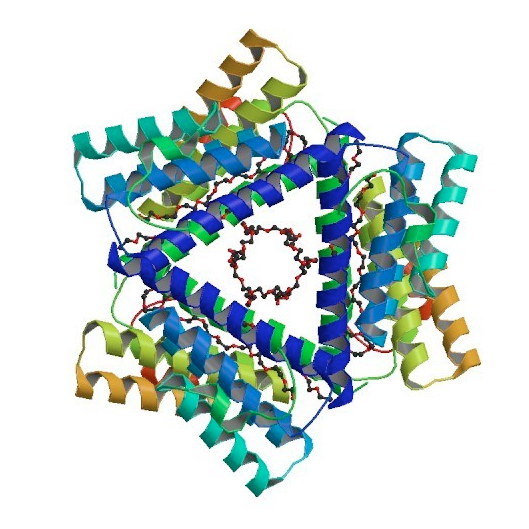
The Role of SAA in Identifying Diseases Across Animal Species
SAA levels can rise quickly in a matter of hours and then fall with similar kinetics in the event that an inflammatory process is initiated and the animal's condition drastically changes. SAA's quick reaction to inflammatory stimuli makes it especially helpful for the following:SAA's quick reaction to inflammatory stimuli makes it especially helpful for the following:
(1) Thus, screening is the process of diagnosing illnesses and infections before the conditions' true symptoms show up.
(2) Among these applications are monitoring changes in the state of illnesses or the effectiveness of specific therapies, as variations in SAA levels may signify a patient's reaction to treatment.
(3) Assessing the patient's overall well-being following surgery and identifying any risk factors for inflammatory healing.
Measuring SAA levels in veterinary medicine can help with the diagnosis and treatment of a number of illnesses, such as:Measuring SAA levels in veterinary medicine can help with the diagnosis and treatment of a number of illnesses, such as:
(1) Bacterial and viral infections.
(2) Inflammatory diseases such as arthritis.
(3) Conditions causing systemic inflammation, like sepsis.
Typically, an animal's blood sample can be used to assess the level of SAA using specific immunoassays that are appropriate for that particular animal type. Since it is an Amyloid A, it has been extensively utilized in veterinary medicine to diagnose acute-phase responses. It aids in the clinical diagnosis of the inflammatory process, determines if an animal is inflamed or not, and improves animal health management.
| Animals | Normal Range | Possible Diseases Listed | Specimens/Biofluids | Measurement Method |
|---|---|---|---|---|
| Cat | <10 µg/mL | Infections, Inflammatory Diseases, Neoplasia, Trauma | Blood | Immunoassay |
| Dog | <10 µg/mL | Infections, Inflammatory Diseases, Neoplasia, Trauma, Autoimmune Disorders | Blood | Immunoassay |
| Horse | <20 µg/mL | Infections, Inflammatory Bowel Disease, Respiratory Diseases, Post-surgical Inflammation | Blood | Immunoassay |
| Cattle | <20 µg/mL | Mastitis, Metritis, Respiratory Infections, Septicemia | Blood | Immunoassay |